Beware: Flat feet may be causing your child to become easily tired while walking!
Jan 29,2026 | HAPPY WALKER
-
What is Flat Feet?
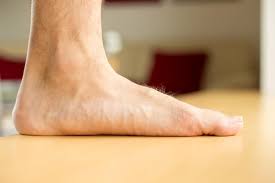
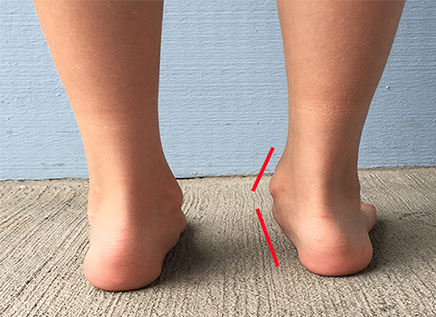
As the name suggests, flat feet refer to a condition where the foot arch is very low or completely absent, making the foot appear flat. If flat feet cause pain or other symptoms around the ankle, it is called "pes planus" or flatfoot disease.![]()
-
Is Flat Feet Simply a Flat Sole?
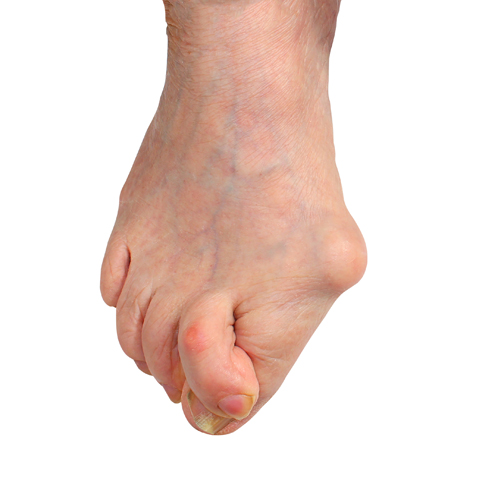
NO! Flat feet are not just a simple flattening of the foot, they are a three-dimensional deformity. Typically, flat feet come with not only a collapsed arch but also issues like forefoot abduction (bunions), heel valgus, and abnormal walking patterns. In children, flat feet are often congenital, and parents should be especially vigilant to catch the problem early before it delays proper treatment.![]()
-
Does Flat Feet Need Medical Attention?
YES! Flat feet definitely require treatment. Early detection and treatment are crucial for correcting the condition and restoring foot function. In children, flat feet may not show symptoms immediately, but without treatment, complications will gradually arise over time. From a professional standpoint, flat feet do need to be treated, and early intervention is key. This is the "Four Early Principles" for treating children's flat feet: Early detection, early treatment, early correction, and early functional recovery. So, flat feet are a condition that needs to be treated!
-
What Are the Risks of Flat Feet?
Flat feet in children can lead to a series of complications due to abnormal structures in the foot and ankle. These include:- Foot fatigue
- Joint wear and tear
- Abnormal gait
- Bunion deformities
- Increased risk of sprains
-
How Can Flat Feet Be Treated?
- 0-3 years old: Observation period; encourage barefoot walking to help stimulate foot arch development through complex surface contact.
- 3-7 years old: Conservative treatment period with orthotic insoles and functional exercises.
- 7-10 years old: Mild cases can be treated conservatively (with insoles), while moderate to severe cases may require minimally invasive surgery.
- 10-15 years old: Mild, flexible flat feet can be treated with orthotic insoles; moderate to severe flexible flat feet may need minimally invasive surgery; for moderate to severe rigid flat feet, bone correction surgery may be necessary after age 18.
However, these treatment plans are not fixed and should be tailored to the individual’s condition.
-1.png?w=2400&h=2400)
Comment