Four Key Points to Avoid Knee Injury While Running: Have You Done Them?
Nov 25,2025 | HAPPY WALKER
Jogging Or Running is something everyone can do, but running safely is important. If you start running the right way, you can avoid injuries and make the most of the health benefits running offers .
Doctors from orthopedic and sports medicine fields are here to teach us the proper way to run. To protect your knees, there are four important things you need to pay attention to. Also, two specific types of physical conditions make people more likely to hurt their knees while running, so be careful if you have these.

Fitness Running Is Better for Protecting Your Knees
The question of whether running harms the knees is still debated. Some people believe running harms their knees because of personal experience, while others think knee injuries come from improper training.
A study found that athletes who run competitively have arthritis in 13.3% of cases, while sedentary people have arthritis in 10.2%. But people who run for fitness have arthritis in just 3.5% of cases, showing that running for fitness is less likely to hurt your knees.
By following proper running techniques, many people can run injury-free long-term. This includes paying attention to shoes, running surfaces, warm-ups, technique, speed, stretching, and how much you run. The key is that the runner doesn’t have any underlying health issues that increase their risk.
Warm Up Before Running
Just like when driving a car, smooth acceleration and braking are better than sudden stops and starts. Running requires the same care. Warm-up exercises before running and recovery activities afterward help protect your knees and reduce the risk of injuries.
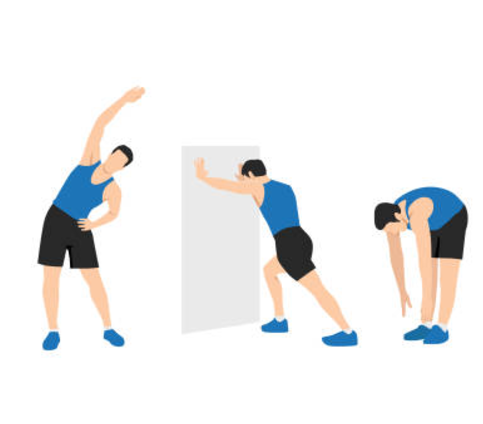
Never run without warming up. If you skip warming up, your risk of injury goes up. A good warm-up helps your body get ready for running, stretches muscles, and prevents injuries. Here are two simple warm-up exercises:
- High Knees: Lift each knee toward your waist, alternating legs. Do 30 repetitions on each leg.
- Stretching the Hamstrings: Stand facing a wall, bend one knee forward (keeping the knee behind your toes), and straighten the other knee with the heel on the ground. Hold the stretch for 20 seconds and repeat 3 times on each leg.
Post-Run Cooling and Stretching
After running, it’s important to cool down and stretch, but these steps are often ignored. The iliotibial band (ITB) on the outside of your thigh helps keep the hip and knee joints stable. However, too much tension in the ITB can cause pain on the outside of your knee and thigh.
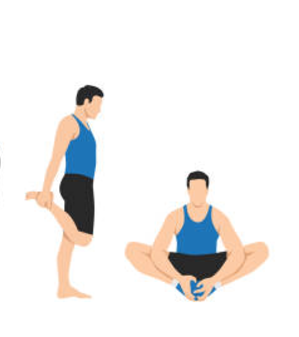
Cooling down and stretching after running helps reduce muscle, ligament, and joint tension, preventing injuries. Here’s how to cool down and stretch:
- Cold Compress: Apply an ice pack to your knee for 15 minutes right after running.
- Stretching the Quadriceps: Hold onto a support and grab one ankle, pulling it toward your buttocks. Stretch for 20 seconds and repeat 3 times on each leg.
- Relax the ITB: Sit on a chair and use your palm or a roller to massage along the outside of your thigh. Repeat 30 times.
Three Groups of People More Likely to Injure Their Knees from Running
Even with the right techniques, some people are still at higher risk for knee injuries. The two most common conditions that make people more likely to get knee injuries are problems with the knee joints or foot deformities. If you feel knee pain while running, it’s important to consult a doctor.
-
Knee Joint Issues: This happens when the kneecap and thigh bone don’t align properly. You might not see any signs, so it’s usually found through imaging tests.
-
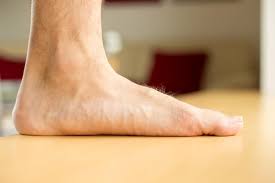
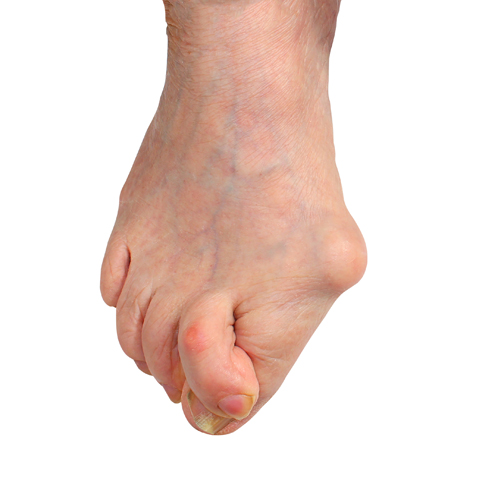
Flat Feet, High Arches, and Foot Deformities: Flat feet or collapsed arches can cause pain, especially in the foot and heel. This can also affect the spine and increase the chance of back problems. It may also cause pain in the outer ankle or lead to conditions like plantar fasciitis.

Wear a Proper Running Insoles Today
Comment