The Connection Between Diabetic Foot and Insoles
Nov 25,2025 | HAPPY WALKER
Diabetic foot is a common and serious complication of diabetes, primarily caused by the long-term effects of high blood sugar levels on the body
- Microvascular Damage: High blood sugar damages small blood vessels, leading to poor blood circulation in the feet.
- Nerve Damage: Prolonged diabetes can result in peripheral nerve degeneration, especially a loss of pain sensation and proprioception.
.png?w=2400&h=2400)
Pain sensation plays a critical role in protecting our feet. It alerts us to injuries or irritations so we can take corrective actions. However, diabetic patients with reduced pain sensation may face the following risks:
- Injuries from stepping on sharp objects or walking on uneven surfaces may go unnoticed.
- These injuries, combined with poor blood circulation, prevent white blood cells from effectively fighting infections. This can lead to worsening wounds, ulcers, and infections, ultimately resulting in diabetic foot.....
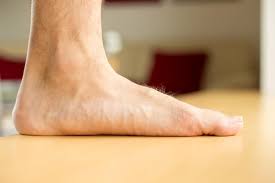
Additionally, sensory loss can disrupt foot posture, such as causing inward (pronation) or outward (supination) rolling of the foot. This imbalance increases joint stress, potentially leading to neuropathic arthritis and a higher risk of diabetic foot complications.
The Role of Insoles in Managing Diabetic Foot
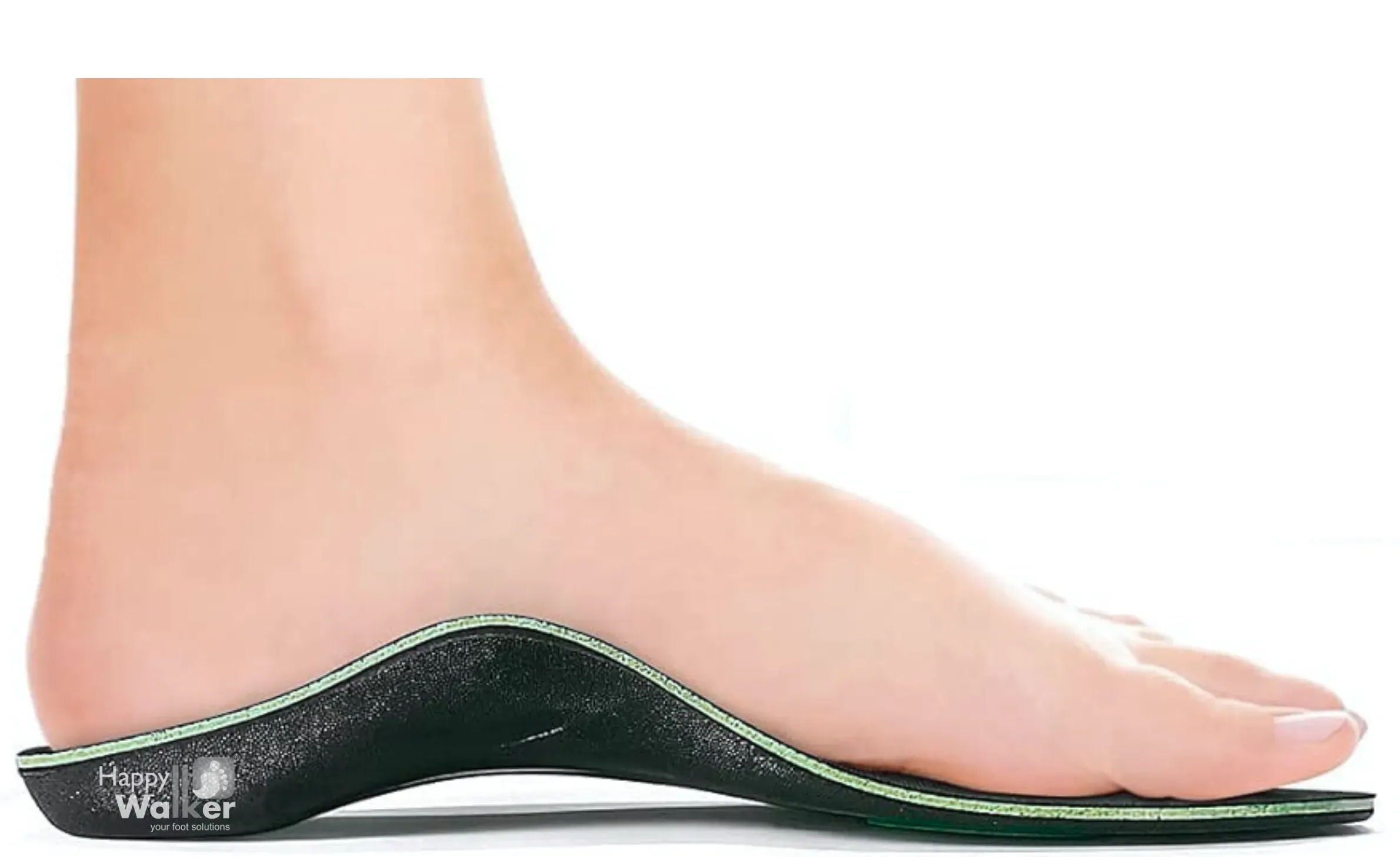
Specialized diabetic foot insoles play a vital role in alleviating symptoms by improving foot alignment and redistributing pressure:
-
Reducing Plantar Pressure
- Insoles help evenly distribute pressure across the foot, preventing excessive force on specific areas that could lead to damage or ulcers.
-
Enhancing Blood Circulation
- Properly designed insoles can promote better blood flow to the feet, increasing oxygen supply and reducing the risk of infections.
-
Correcting Foot Deformities
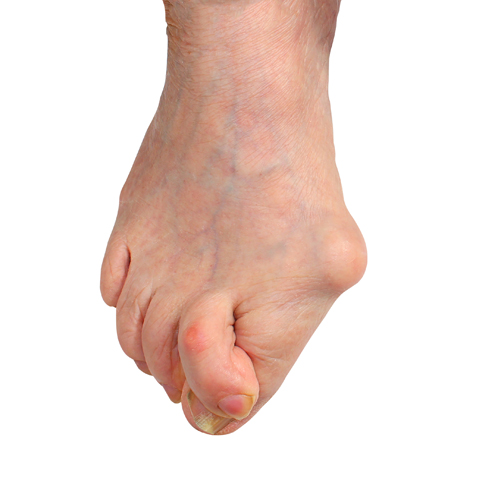
- Insoles provide arch support and correction, addressing issues like pronation or supination, stabilizing gait, and reducing joint strain.
-
Strengthening Foot Muscles
- Regular use of insoles can help exercise foot muscles, improving foot stability and function over time.
Precautions When Using Insoles
-
Blood Sugar Control Is Crucial
- While using insoles, diabetic patients must maintain strict blood sugar control with guidance from a doctor. Medications such as metformin or acarbose may be prescribed.
-
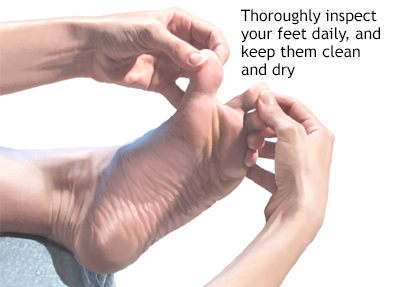
Routine Foot Checks
- Regularly inspect the feet for cuts, wounds, or other abnormalities, and address any issues promptly.
-
Choose Professional Insoles
- Use certified diabetic foot insoles, ideally custom-made based on recommendations from a doctor or podiatrist to suit individual needs.
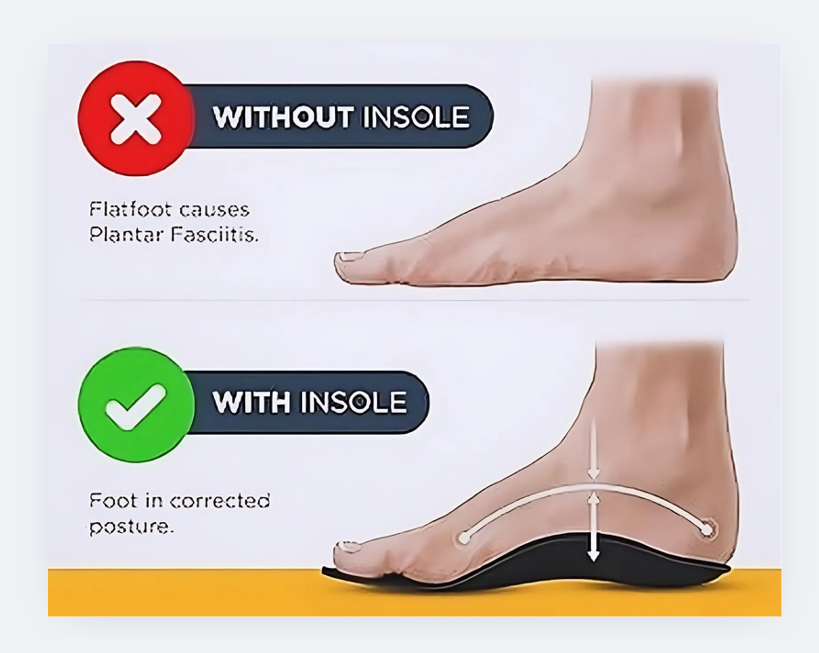
Preventing and managing diabetic foot requires a comprehensive approach. Insoles are an essential part of this strategy, offering effective symptom relief and reducing the risk of complications.
How to Slove it ? Look For Happy walker Today !
发表评论